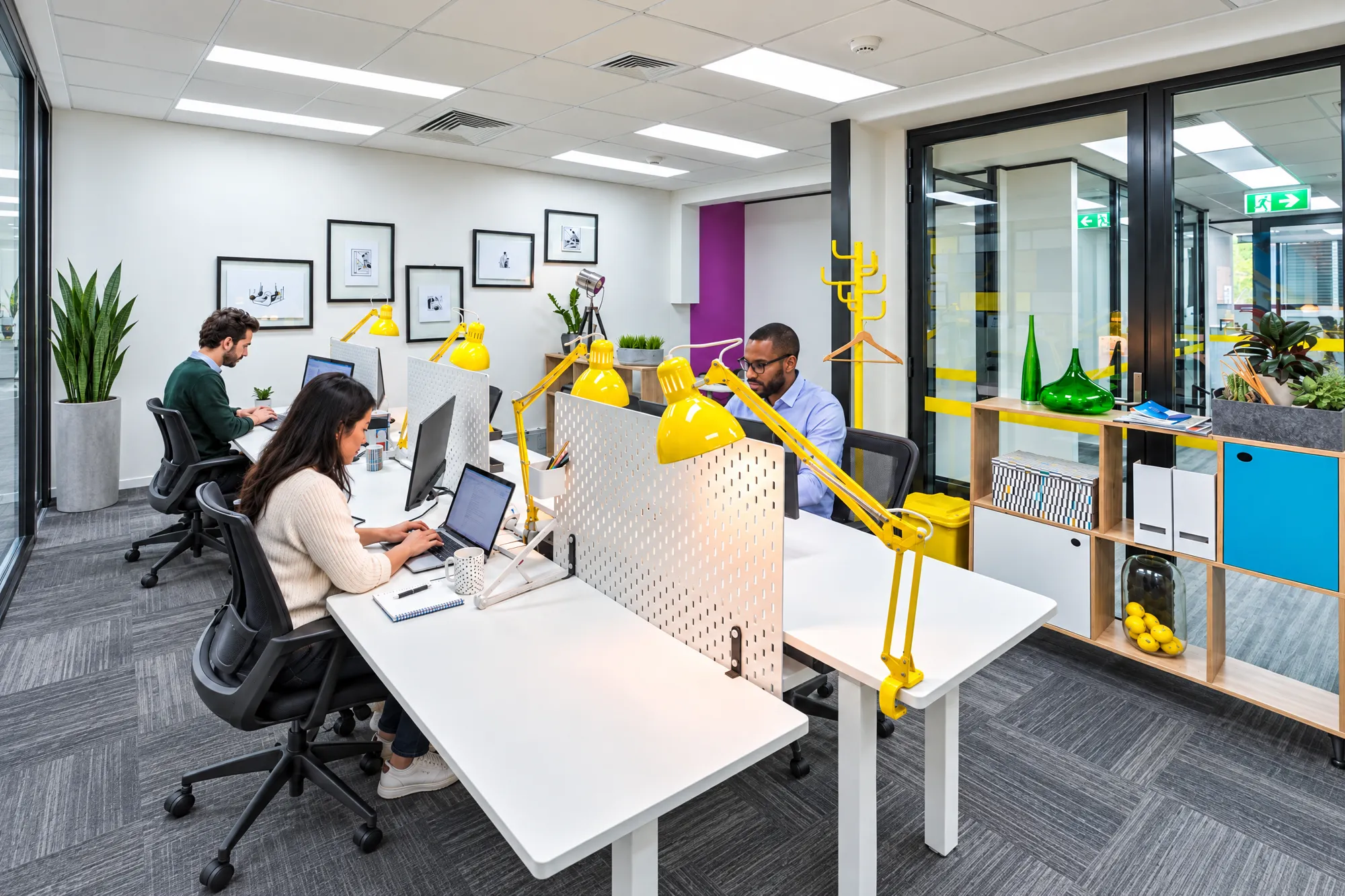
Hybrid work models can lead to a significant improvement in productivity. A study by the Boston Consulting Group suggests that employees with the freedom to choose their work location report heightened levels of productivity. This is ascribed to fewer distractions, a work environment that can be personalised, and improved balancing of personal and professional responsibilities.
-
Employee Satisfaction and Retention
Hybrid work environments can dramatically enhance employee satisfaction. The flexibility of managing work around personal commitments contributes to a superior work-life balance, reducing burnout and improving mental health. Consequently, organisations can enjoy improved employee retention rates and lower recruitment costs.
Adopting hybrid work models can result in substantial cost savings for organisations. Decreased requirements for physical office spaces lead to reduced rent, utilities and maintenance costs. Moreover, organisations can tap into a broader talent pool without the restriction of geographical location, eliminating the costs of relocation.
Hybrid work structures can also contribute to efforts towards sustainability. Reduced commuting translates into lower carbon emissions, while lesser office space leads to decreased energy consumption and waste.