
✔Eligibility
Which roles can work remotely?
The Australian employment landscape has undergone a significant transformation with the widespread adoption of remote and hybrid work models. This report provides a comprehensive overview of current Australian policies related to working from home…
More articles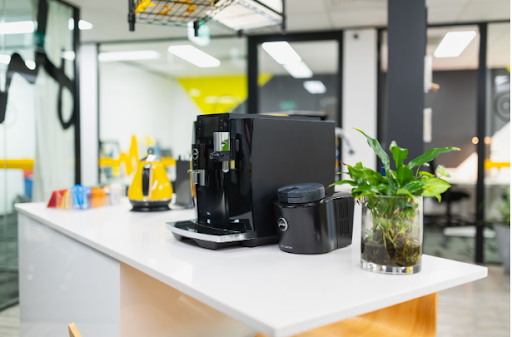
The Australian employment landscape has undergone a significant transformation with the widespread adoption of remote and hybrid work models. This report provides a comprehensive overview of current Australian policies related to working from home (WFH), encompassing employer obligations, employee rights, and the intricate tax implications for both parties. It then links these policies to the flexible workspace solutions offered by Anytime Offices, demonstrating how these services can be strategically leveraged to ensure compliance, enhance productivity, and optimise financial outcomes in the evolving work environment. Understanding the nuanced interplay between regulatory frameworks, flexible workspace provisions, and tax deductibility is crucial for Australian businesses and their employees navigating the future of work.
The shift towards remote and hybrid work models has profoundly reshaped the Australian employment landscape, a transformation significantly accelerated by recent global events. Data indicates that almost half of Australian businesses now have staff working remotely, a substantial increase from just 20% prior to the pandemic. This pervasive adoption of flexible work arrangements underscores the critical need for organisations to navigate the associated legal, operational, and financial complexities.
This widespread shift necessitates a clear and comprehensive understanding of the Australian regulatory environment. This environment encompasses various facets, including employment law, stringent work health and safety (WHS) obligations, and intricate tax implications, all of which must be meticulously managed to ensure continuous compliance and foster a productive, engaged workforce. The rapid increase in remote work has, to some extent, outpaced the development of fully comprehensive and proactive regulatory frameworks. This dynamic often results in a reactive policy environment, where legal interpretations and guidelines emerge in response to practical challenges and disputes rather than providing a pre-emptive, all-encompassing guide. This inherent uncertainty places a greater onus on businesses and employees to diligently understand and apply existing laws, often necessitating expert advice and adaptable solutions to navigate ambiguities effectively.
Australian employment law places significant responsibilities on employers regarding working from home arrangements.
Your duty of care extends to any location an employee works, including their home.
Proactive management is key to compliance and employee wellbeing.
Conduct risk assessments of home workspaces, including ergonomic setup.
Provide appropriate and safe equipment (chairs, monitors, etc.).
Manage risks like stress, isolation, and burnout through support and communication.
Confirm Workers’ Compensation and other policies cover remote work.
A cornerstone of Australian employment law, WHS obligations extend fully to home-based work environments, just as they apply in traditional workplaces. A Person Conducting a Business or Undertaking (PCBU) is legally mandated to ensure, so far as is reasonably practicable, the health and safety of their workers while they are working from home. This legal mandate requires a systematic and ongoing approach. Employers must actively identify potential hazards within the home work environment, which can range from poor workstation setup, inadequate lighting, and excessive noise, to more subtle psychosocial risks such as high job demands, low job control, or insufficient support. Following hazard identification, a thorough assessment of the risks posed by these hazards is necessary. Subsequently, employers are required to implement effective control measures to eliminate or minimise these risks and regularly review the efficacy of these measures to ensure ongoing safety.
To fulfil these duties, employers may need to undertake virtual or in-person inspections of an employee’s home workstation setup or request photographic evidence to assess compliance with ergonomic and safety standards. Proactive management of psychosocial risks, encouraging the reporting of any hazards or potential risks, and ensuring that adequate resources are available for workers are critical components of this duty. The comprehensive nature of these WHS obligations for employers, extending to individual home environments, represents a significant and often underestimated compliance burden. This administrative and logistical complexity associated with ensuring WHS compliance for numerous individual home offices creates a powerful incentive for employers. To mitigate this burden, organisations are increasingly exploring solutions that offload or simplify these responsibilities, such as providing access to professionally managed workspaces that inherently meet safety standards.
Employers bear the responsibility for ensuring that employees working from home have the necessary tools, equipment, and IT capabilities to perform their work effectively and safely. This includes providing fit-for-purpose equipment such as ergonomic chairs, monitors to prevent prolonged laptop use, and appropriate headsets for frequent calls, while also ensuring the electrical safety of such equipment. This provision of adequate resources is directly linked to the employer’s overarching WHS duties, as improper equipment can lead to physical and psychological harm.
Maintaining consistent and effective communication channels is vital for managing remote employees. This involves establishing structured, regular check-ins to monitor performance, set clear priorities and timelines, and provide opportunities for employees to seek guidance or support. Additionally, employers must ensure workers can easily communicate with colleagues and clients, minimise after-hours work, and promote regular breaks to prevent sedentary work and burnout, all contributing to a healthy and productive remote workforce.
While not explicitly detailed in all provided information, the overarching WHS duty to ensure a safe work environment, coupled with the need for adequate “IT capabilities” , implicitly extends to safeguarding sensitive company data when employees work remotely. Employers are expected to implement robust measures that protect information, even when accessed and processed outside traditional office perimeters, to prevent breaches and maintain business integrity.
The legal framework also defines the rights of employees regarding flexible work.
A critical point in Australian employment law is that there is no inherent or assumed right for an employee to work from home. Recent Fair Work Commission (FWC) rulings have reinforced this, explicitly stating that personal convenience alone is not considered a sufficient reason for an employee to work remotely. This clarifies that WFH is generally a privilege or an agreed arrangement, not an entitlement.
Despite the absence of an automatic right, eligible employees are entitled to request flexible working arrangements under the Fair Work Act 2009 (Cth), which can include working from home. Employers are legally obliged to respond to such requests in accordance with prescribed procedures, which involve genuine discussion and consideration.
An employer can only refuse a flexible work request if they have engaged in a genuine discussion with the employee, made a sincere attempt to reach an agreement, considered the potential consequences of refusal for the employee, and ultimately refused the request on “reasonable business grounds”. Examples of such grounds cited by the FWC include enhancing mentorship, improving decision-making speed, boosting customer service, and addressing a decline in employee satisfaction due to remote work.
Employers retain the right to require employees to return to the physical workplace, whether full-time or under a hybrid arrangement, provided that the employee is not on approved leave, the working arrangement is not part of an approved Fair Work Act flexible work arrangement, and the direction to return is both lawful and reasonable. When issuing RTO directives, employers must carefully consider their WHS obligations and other legal requirements, ensuring the directive is justifiable and does not breach any existing agreements.
The tension between an employer’s right to mandate return-to-office and an employee’s right to request flexible work, which can only be refused on “reasonable business grounds,” creates a strategic opportunity for flexible workspace providers. Offering access to professional coworking spaces can serve as a “reasonable business ground” for employers to refuse full-time WFH, while still providing employees with a flexible, professional alternative to the traditional office or home. This approach allows employers to meet operational needs (e.g., fostering collaboration, ensuring WHS compliance) while accommodating employee desires for flexibility, thereby mitigating legal risks associated with flexible work requests and potentially improving overall workforce satisfaction and productivity.
A robust policy is not just recommended; it’s essential for clarity, compliance,
and managing expectations in a remote or hybrid setting.
Which roles can work remotely?
Define core work hours and response times.
Specify tools and meeting cadences.
Clarify KPIs, output, and quality standards.
Detail who provides what and how to get help.
Outline rules for protecting confidential information.
Remind employees of their obligation to maintain a safe workspace.
Recent FWC rulings, such as the widely discussed Paul Collins case, consistently reinforce that working from home arrangements are not an automatic entitlement and cannot be approved based solely on personal preference or convenience. The onus is placed on the employee to provide “legitimate, demonstrable reasons” for a flexible work request, rather than the employer needing to justify a refusal.
Employer groups, such as AI Group, are actively engaging in the Fair Work process to test whether existing industrial award provisions (e.g., the Clerks Award’s rules on continuous ordinary hours and 10 consecutive hours off after overtime) are still suitable for flexible and remote work arrangements. They argue for freeing up “restrictive provisions” that may inadvertently prohibit or discourage employers from implementing WFH. The ongoing debate and FWC scrutiny around WFH arrangements suggest that a “one-size-fits-all” approach to remote work is unsustainable. This dynamic drives a need for adaptable workplace strategies that can evolve with legal interpretations and business needs, where flexible office solutions offer a crucial buffer. This continuous evolution in legal and industrial interpretations necessitates highly agile workplace strategies. Flexible office providers, like Anytime Offices, offer a crucial advantage by providing adaptable physical infrastructure without the long-term capital commitment and inflexibility of traditional office leases. This allows businesses to quickly scale up or down, reconfigure their physical footprint, or pivot their hybrid work model in response to new FWC interpretations, changes in industrial awards, or evolving business needs, thereby acting as a strategic buffer against regulatory uncertainty.
Anytime Offices, specifically referred to as “Office Space Anytime” , positions itself as a premier flexible workspace provider, offering a diverse array of solutions tailored to meet the varied and evolving needs of modern businesses, ranging from individual professionals to large corporate teams.
Key Offerings
Flexibility Features
A core differentiator of Anytime Offices is its emphasis on flexibility, offering 24/7 access, multi-level membership plans, and convenient pay-as-you-go features. This tiered approach caters precisely to varying needs for frequency, duration, and type of workspace utilisation, providing unparalleled adaptability. The diverse offerings of Anytime Offices, particularly the granular levels of flexibility (hourly, daily, monthly, dedicated vs. shared, private vs. open), address the varied and often unpredictable needs of hybrid and remote workforces far more effectively than traditional office leases or purely home-based setups. This allows for dynamic scaling and cost efficiency. This multi-dimensional flexibility enables businesses to precisely right-size their physical footprint according to their dynamic needs. They can avoid the significant overhead of underutilized traditional office space during periods of lower occupancy (e.g., due to hybrid schedules) while still providing professional environments for specific tasks (e.g., focused individual work, collaborative meetings) that may not be suitable for a home office. This capability for dynamic scaling and adaptation to fluctuating demand is a key value proposition, offering substantial cost efficiency and operational agility in an uncertain and rapidly changing work future.
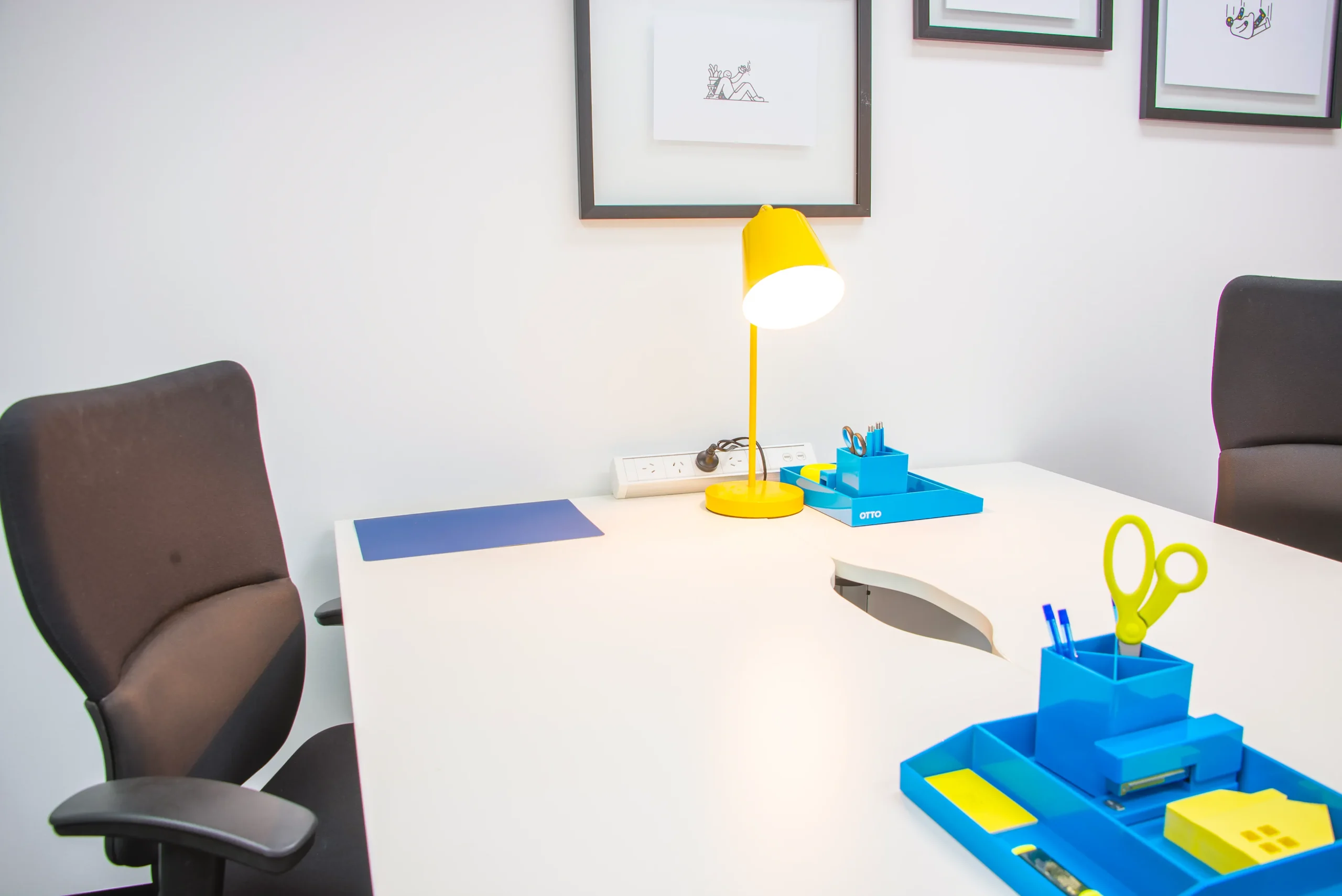
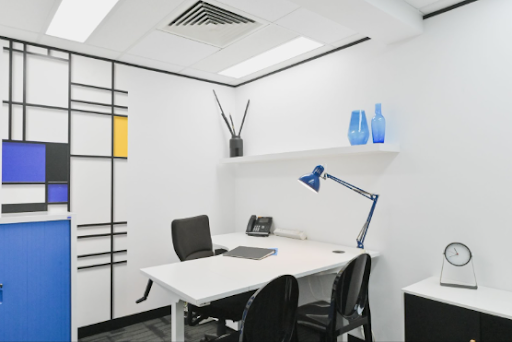
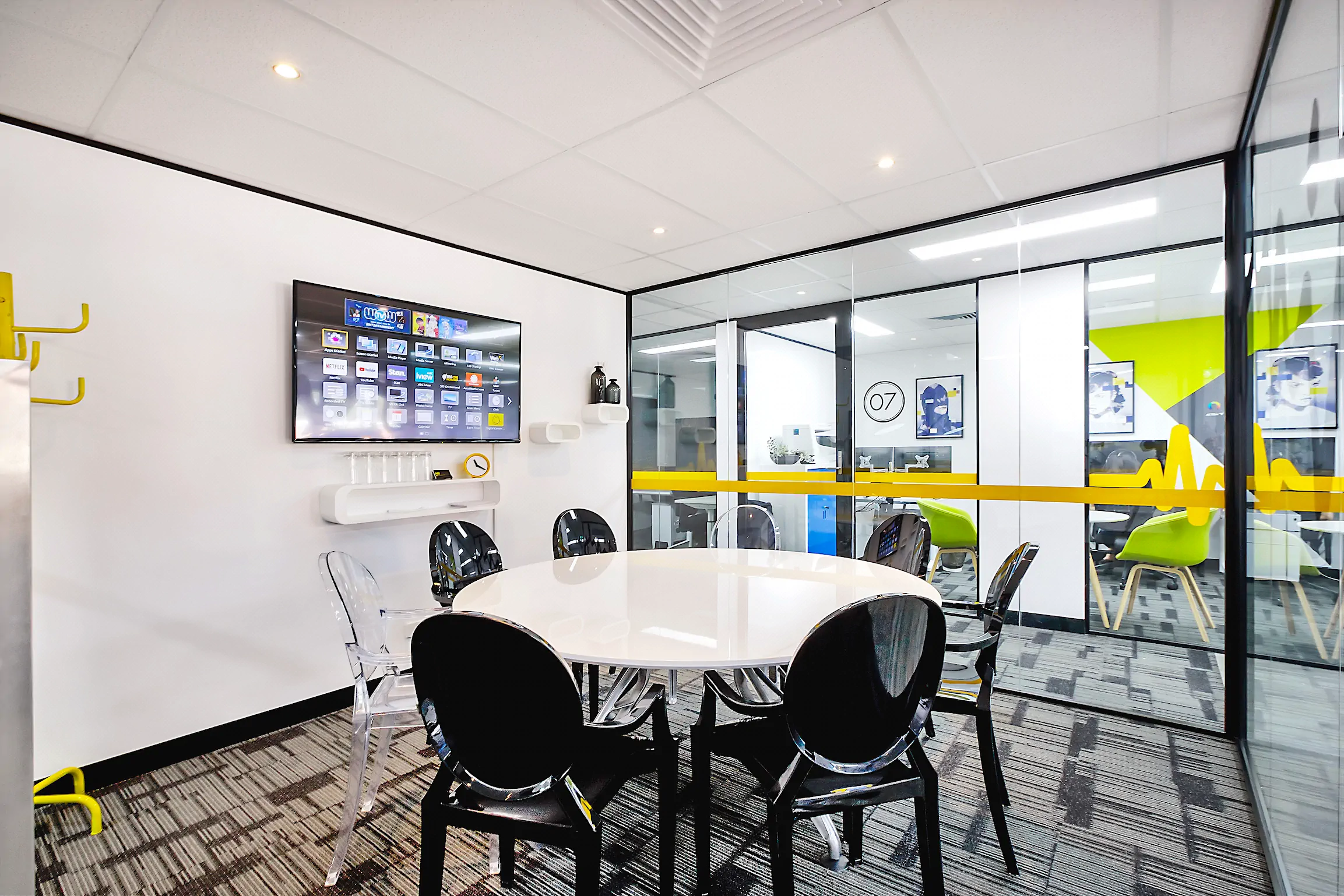
Anytime Offices provides a professional, fully equipped, and managed environment that can serve as a highly effective alternative or supplement to home offices for remote and part-time workers. This offers a dedicated space free from domestic distractions. It offers scalable solutions for businesses of all sizes, from nascent startups to established large enterprises, enabling them to either customise office layouts to their specific needs or simply book ready-to-use spaces on demand. This adaptability is crucial for dynamic growth and changing operational requirements.
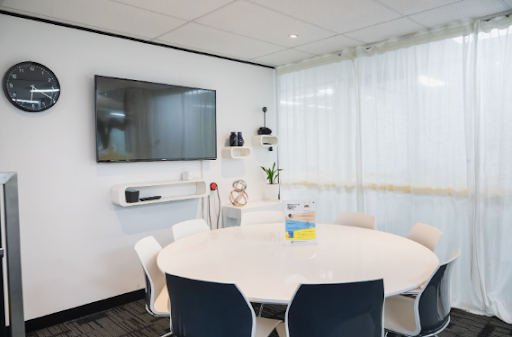
The readily available meeting and conference rooms are instrumental in facilitating essential in-person collaboration, professional client meetings, and structured training sessions, all of which can be significant logistical challenges in purely remote work setups. Virtual office services, including professional business addresses and mail handling, enhance the credibility and professional image for home-based businesses or remote teams that may not have a physical corporate presence, providing a vital professional facade. Beyond mere space provision, Anytime Offices acts as a strategic enabler for organisations to implement and refine hybrid work models. By externalising the provision of compliant, collaborative, and professional workspaces, businesses can mitigate WHS risks, foster team cohesion, and maintain a professional image without the capital expenditure and rigidity of traditional real estate. This is achieved by offering a pre-compliant, professionally managed environment that directly addresses the WHS obligations employers face for home-based work. The provision of high-end office furniture and equipment and dedicated spaces for collaboration directly supports both WHS compliance and the need for effective team interaction. This strategic provision shifts the traditional real estate model from a fixed capital cost/asset to a flexible, scalable operational expense, providing significant financial and strategic agility.
By leveraging flexible workspace solutions, employers can proactively address key operational and compliance challenges.
Flexible workspaces also offer substantial benefits for employees, enhancing their work experience and productivity.
Anytime Offices’ diverse offerings, from private offices for focused individual work to versatile meeting rooms for team collaboration, inherently support a dynamic and agile work model. They enable the implementation of scheduled “anchor days” where distributed teams can physically come together, fostering innovation, facilitating knowledge transfer, and strengthening company culture, while still allowing individuals the flexibility to work remotely for the remainder of the week. For businesses looking to expand into new geographical regions or establish a presence in key markets, virtual offices and flexible private spaces offer a highly cost-effective and low-risk entry strategy, avoiding significant upfront capital investment in traditional real estate.
Understanding the tax implications for both employers and employees is paramount when implementing WFH or hybrid work models.
For employees to claim working from home (WFH) deductions in Australia, they must genuinely be working from home to fulfil their employment duties, incur additional running expenses as a direct result of WFH, and meticulously maintain records to substantiate these expenses and the hours worked. It is important to note that merely completing minimal tasks or checking emails occasionally does not qualify.
Methods of Claiming
The Australian Taxation Office (ATO) provides two primary methods for calculating WFH deductions:
Occupancy Expenses
A critical distinction for employees is that they generally cannot claim occupancy expenses. These are costs associated with owning or renting their home, such as mortgage interest, rent, council and water rates, land taxes, and home insurance premiums. The ATO considers these “fixed” costs that do not change simply because an individual works from home. An employee can only claim occupancy expenses if a specific area of their home has the clear character of a “place of business.” Indicators include the area being clearly identifiable as a business space, not readily used for private purposes, exclusively or almost exclusively used for business, and regularly visited by clients. Claiming occupancy expenses also has significant Capital Gains Tax (CGT) implications for the main residence exemption. This exception is rarely met by typical employees.
Non-Deductible Items
Certain personal expenses are explicitly non-deductible, including coffee, tea, snacks, or childcare costs incurred while working from home.
The stringent record-keeping requirements and the general non-deductibility of occupancy expenses for employees mean that the perceived financial benefits of WFH for individuals are often significantly overstated. This reality often prompts many employees to seek alternatives or to rely on the simpler, but potentially less comprehensive, fixed-rate method. For many employees, the perceived financial ‘savings’ from not commuting are substantially eroded by increased household running costs and, more significantly, the non-deductibility of occupancy expenses. This financial reality, coupled with the administrative burden of rigorous record-keeping required by the ATO, can make a dedicated external workspace (whether employer-provided or personally claimed if eligible) a more financially appealing and less administratively complex option than a full-time home office. This highlights a potential driver for employees to seek out or advocate for access to flexible workspaces.
Table: Comparison of ATO Fixed Rate vs. Actual Cost Methods for WFH Deductions (for Employees)
| Feature/Expense | Fixed Rate Method (70 cents per hour from 1 July 2024) | Actual Cost Method |
|---|---|---|
| Rate/Basis | 70 cents per hour worked from home | Actual work-related portion of expenses |
| Covered Expenses (Included in rate) | Electricity & Gas, Phone (mobile & home), Internet, Stationery, Computer Consumables | N/A (Claimed individually) |
| Expenses Claimable Separately | Decline in value of assets (computers, office furniture), Repairs & Maintenance of these assets, Cleaning (if dedicated home office) | All running expenses (including those covered by fixed rate), Decline in value of assets, Repairs & Maintenance, Cleaning (if dedicated home office) |
| Occupancy Expenses (Rent, Mortgage Interest, Rates, Insurance) | Generally NOT claimable for employees | Generally NOT claimable for employees |
| Record Keeping |
Record of all hours worked from home for the entire income year (e.g., timesheets, diary); Evidence of incurred expenses covered by fixed rate (e.g., one bill for phone/electricity) |
Detailed records (receipts, bills) for every expense; Record of hours worked (actual or 4-week representative diary); Evidence of work-related use apportionment |
| Complexity | Simpler, less detailed record-keeping for covered expenses | More complex, requires detailed calculations and extensive records |
Table: Deductible vs. Non-Deductible WFH Expenses for Employees
| Category | Examples of Expenses | Conditions/Notes |
|---|---|---|
| Deductible Running Expenses | Electricity & Gas (heating, cooling, lighting), Internet usage, Phone usage (mobile & home), Stationery, Computer consumables (e.g., printer ink) | Must be work-related portion. Covered by fixed rate method; claimable separately under actual cost method. |
| Deductible Capital Items (Depreciation) | Computers, Laptops, Printers, Office furniture (desks, chairs) | Decline in value claimable. Items < $300 can be written off immediately. |
| Deductible Maintenance/Cleaning | Repairs to home office equipment/furniture, Cleaning costs for dedicated home office area | Cleaning only if a dedicated home office. |
| Non-Deductible Occupancy Expenses | Rent, Mortgage interest, Council rates, Land taxes, Home insurance premiums | Generally NOT claimable for employees, as these are fixed costs. Limited exception if home is a “place of business” (high threshold, CGT implications). |
| Other Non-Deductible Expenses | Coffee, Tea, Milk, Snacks, Childcare costs | Considered personal expenses. |
Coworking space expenses generally qualify for tax deductions in Australia, provided they are incurred in the process of generating income and are directly related to work.
Key Conditions for Deductibility
Eligible Expenses
Deductible expenses may include:
Self-Employed vs. Employee
Self-employed individuals generally have more flexibility in claiming these expenses. Employees need to meet specific criteria, primarily that the expense is directly related to earning their assessable income and is not reimbursed by the employer. The clear deductibility of coworking space expenses for employees, under specific conditions, provides a direct financial incentive for individuals to opt for external professional workspaces over a potentially less deductible home office, especially given the general non-deductibility of occupancy expenses for most employees. For a similar cost, an employee might realise a much larger tax deduction from a coworking space than from their home office, making the external option more financially attractive. This tax advantage positions coworking spaces as a financially smarter choice for employees seeking a dedicated work environment outside their home, highlighting a potential shift in employee preference towards flexible external workspaces, driven partly by tax efficiency.
Table: Eligible Coworking Space Expenses and Key Conditions for Employee Deduction
| Expense Type | Deductibility | Key Conditions |
|---|---|---|
| Renting a desk or private office (membership/rental fees) | Yes | Must be used exclusively and regularly for business purposes. |
| Meeting rooms | Yes | Directly related to work activities (e.g., client meetings, team collaboration). |
| Printing services | Yes | Directly related to business operations. |
| High-speed internet | Yes | Work-related portion only; if included in membership, often fully deductible if exclusive business use. |
| Office supplies and computer consumables | Yes | Directly related to work. |
| Travel to coworking space | Yes (Conditional) | Deductible if home office is main base of business and travel is for specific work tasks/meetings, or if traveling between two work locations. |
| Shared kitchen/recreational areas | Yes (with caution) | Only the portion directly tied to business use (e.g., client hospitality). |
| Other business-related services (e.g., mail handling) | Yes | Directly related to earning assessable income. |
Employers can claim deductions for expenses incurred for business purposes, not private use. If an expense is for mixed use, only the business portion is claimable. Crucially, comprehensive records must be kept to substantiate all claims.
Deductible Items for Employers
Employers can generally deduct the following items when supporting remote or flexible work arrangements:
Non-Deductible Items for Employers
Generally, employers do not cover employees’ running costs for home offices (e.g., rent, mortgage, general utilities) unless it is a specific, employer-mandated arrangement that qualifies as a business expense or fringe benefit. Employers have clear pathways to deduct costs associated with
providing necessary work tools and compliant environments, such as coworking spaces, to employees. This encourages investment in proper remote work infrastructure, aligning with WHS obligations and productivity goals. The tax deductibility of essential equipment and software directly supports employers in meeting their WHS obligations and enabling productive remote work. This encourages employers to proactively equip their workforce, rather than relying on employees to bear these costs, contributing to a more professional and compliant remote work setup.
Fringe Benefits Tax (FBT) is a critical consideration for employers providing non-cash benefits.
What is FBT?
FBT is a tax paid by employers on certain non-cash benefits provided to employees or their associates (e.g., family members), in addition to their salary or wages. The FBT year runs from 1 April to 31 March , and the FBT rate is 47% (as of the 2024-25 FBT year). Employers are solely responsible for calculating, paying, and reporting FBT to the ATO. Meticulous record-keeping is required to track all benefits provided, their values, and any employee contributions.
Types of Fringe Benefits Potentially Relevant to Flexible Workspaces
FBT Exemptions and Reductions (Crucial for Flexible Workspaces)
Several exemptions and reductions can significantly minimise or eliminate FBT liability for employer-provided workspace benefits:
The “otherwise deductible rule” is the cornerstone for employers to provide flexible workspace benefits, such as Anytime Offices memberships, without incurring FBT. This transforms a potential tax liability into a tax-efficient strategy for supporting hybrid work, making external workspaces an attractive and compliant solution for employers. This means employers can largely avoid FBT on coworking space provisions if the benefit is genuinely work-related and would have been deductible by the employee. This is a critical financial incentive, allowing employers to invest in flexible workspaces as a strategic operational expense rather than a costly fringe benefit. It positions Anytime Offices as a tax-efficient solution for employers looking to support their remote and hybrid teams.
Table: FBT Exemptions and Reductions Applicable to Employer-Provided Workspace Benefits
| Exemption/Reduction Name | Description/Conditions | Application to Flexible Workspace | Impact on FBT | Key Documentation Required |
|---|---|---|---|---|
| Otherwise Deductible Rule | Taxable value reduced to nil if employee could have claimed the expense as an income tax deduction had they paid for it themselves. | Employer-paid coworking memberships, private office rentals, or dedicated desk fees for work purposes. | Reduces taxable value to nil. | Employee declaration that the expense would have been deductible; records supporting employee’s work-related use. |
| Minor Benefits Exemption | Benefit is exempt if notional taxable value is < $300 and it’s unreasonable to treat as a fringe benefit. | Occasional, infrequent use of meeting rooms, hot desks, or small amenities (e.g., for a single meeting or a few hours). | Exempts the benefit. | Records of value (<$300 per occasion) and frequency (infrequent, irregular use). |
| Work-Related Items Exemption | Portable electronic devices and tools of trade are exempt if primarily used for work. | Laptops, mobile phones, tablets, or specific software provided by employer for use at home or in coworking space. | Exempts the benefit. | Evidence of primary work-related use. |
| Small Business Car Parking Exemption | Exempt for small businesses (gross income < $10M or aggregated turnover < $50M) if parking is not in a commercial car park. | Parking provided at or near an Anytime Offices location, if the employer meets small business criteria and the parking is not a commercial car park. | Exempts the benefit. | Records confirming small business eligibility and parking location. |
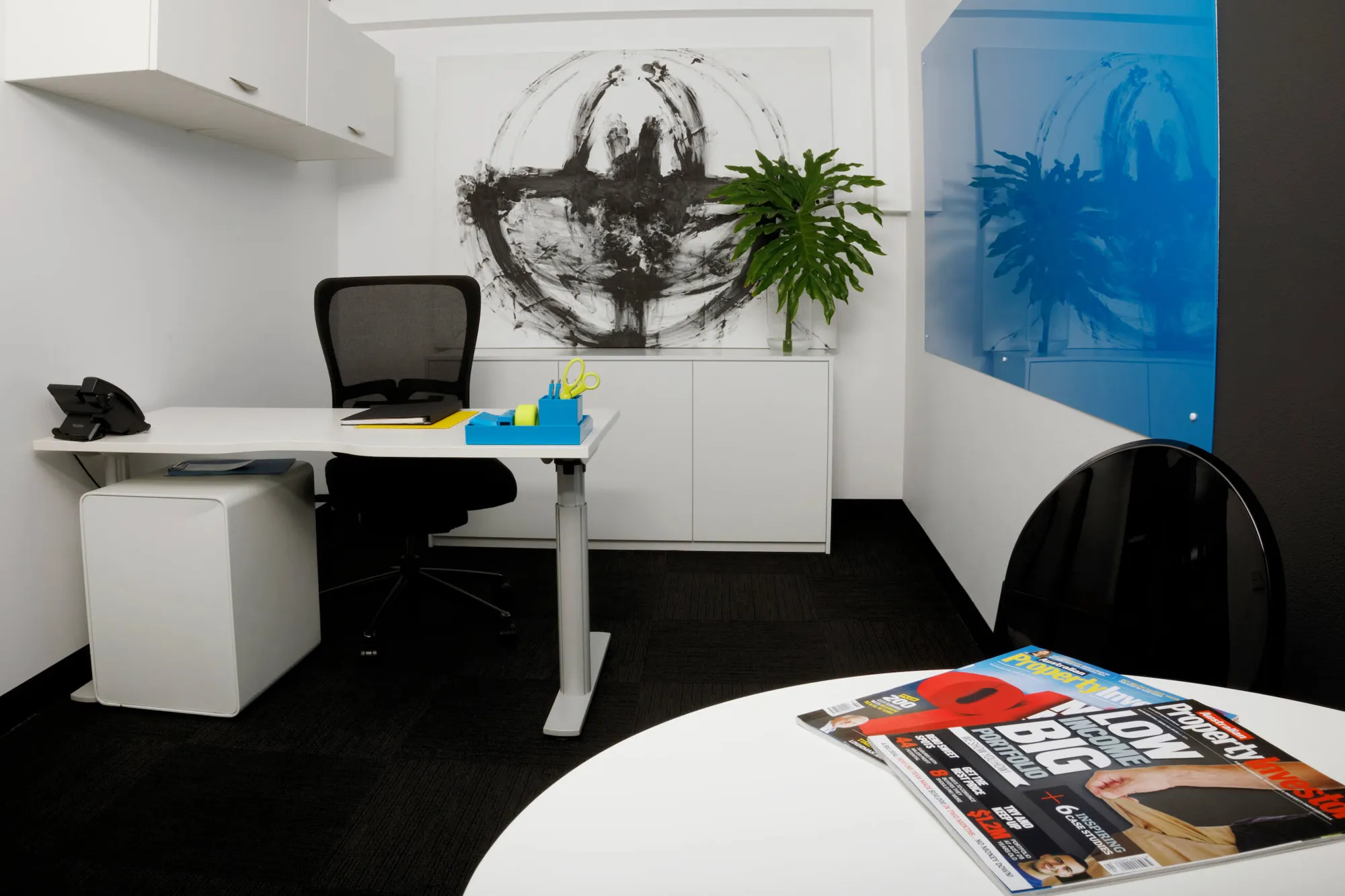
Navigating the complexities of Australia’s evolving work landscape requires a strategic and informed approach. Both employers and employees can benefit significantly from proactive planning and adherence to regulatory guidelines.
The Australian work landscape is undeniably evolving, with remote and hybrid models becoming integral to business operations. Navigating this environment effectively requires a strategic, informed approach that harmonises WFH policies, leverages flexible workspace solutions, and understands complex tax implications. By proactively addressing Work Health and Safety obligations, responding to employee needs for flexibility and professional environments, and meticulously managing tax efficiencies (including Fringe Benefits Tax through exemptions like the “otherwise deductible rule”), Australian businesses can foster productive, compliant, and attractive work environments. This comprehensive approach ensures organisational resilience and supports a thriving workforce well into the future.
Have a question about our spaces, need a custom layout, or ready to arrange a viewing? Fill out the form below and our local team will be in touch shortly.
Book a free tour of our Randwick or Botany centre, or talk to our local team about the right workspace.

Introduction: Sydney’s Office Market Is Changing Faster Than Ever Not long ago, renting an office in Sydney meant signing a long lease, committing to expensive fit-outs,…

Moving Office? Here’s How to Relocate Smoothly Without Disrupting Business Office relocation is one of those jobs that feels overwhelming before it even begins — but…

If you need a professional workspace without committing to a long-term lease, rent an office for a day in Sydney is the perfect solution. Whether you’re…